Walk across a Statesville kitchen in your socks in January and you can feel whether the crawl space is insulated. A floor over a well insulated, dry crawl space feels cool. A floor over bare joists, or over insulation that's soaked and sagging, feels cold enough to make you reach for slippers. In summer, the same crawl space makes the AC run longer than it should.
What's usually down there
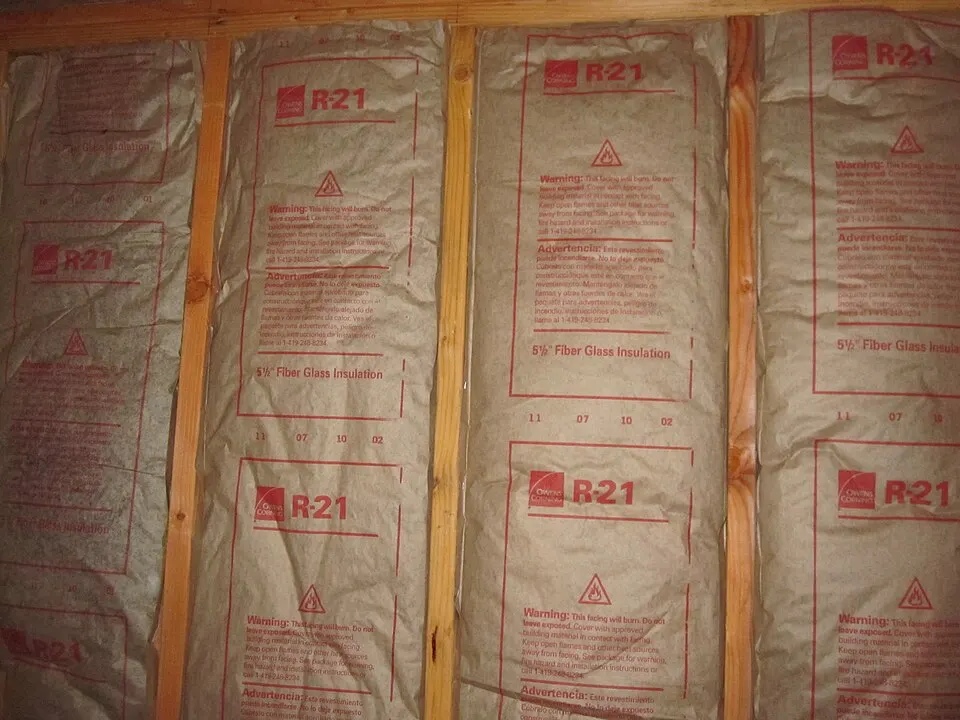
Most crawl space homes around Iredell County were built with fiberglass batts tucked between the floor joists, paper side up against the subfloor. When the crawl space stays dry and the batts are held in place, that works. Here's what inspectors more often find:
- Batts sagging in the middle, with a gap above them
- Whole pieces lying on the ground
- Insulation dark with dirt, damp to the touch or smelling musty
- Batts installed paper side down, trapping moisture against the wrong face
- Empty bays where a plumber or electrician pulled it out and never put it back
- Nests and tunnels where mice have moved in
Why it doesn't last here
Humidity is the main reason. In a vented crawl space, summer air full of moisture drifts in through the vents. Fiberglass holds onto that moisture, gets heavy and loses most of its insulating value. The supports that hold it up (wire rods, string, staples) were never meant to carry wet batts. Eventually it lets go.
A second reason is that nobody looks. Insulation in the crawl space can be failing for years before anyone goes under the house.
Choosing the right approach
The big decision is where the insulation goes, and that depends on what you're doing with the crawl space.
| Your crawl space | Where insulation goes | Typical material |
|---|---|---|
| Vented, staying vented | Between the floor joists | Fiberglass or mineral wool batts with proper supports |
| Being sealed (encapsulated) | On the foundation walls and rim joist | Rigid foam board on walls, foam at the rim joist |
Keeping it vented
If the crawl space stays vented, the floor gets insulated. The batts should fill the joist bays, sit tight against the subfloor and be held there by supports that won't sag. Before any of that, the ground needs a good vapor barrier, or the new insulation will soak up the same moisture the old one did.
Sealing it up
In an encapsulated crawl space, the space becomes part of the house. The insulation moves to the walls, so the floor framing, ductwork and pipes are inside the insulated part of the home. The old floor batts usually come out. Rigid foam board goes on the inside of the block walls, and the rim joist (the framing at the top of the wall) gets sealed and insulated, since it's a big source of air leaks. A crawl space dehumidifier keeps the sealed air in check.
Some foam products have code requirements about fire protection or where they can be used. The contractor should use materials rated for crawl spaces and handle any permit.
Air sealing matters as much as insulation
Insulation slows heat moving through, but it doesn't stop air. Gaps around plumbing, wiring and ductwork going up into the house let crawl space air into your living space and let conditioned air out. Sealing those gaps is a cheap part of the job that makes a real difference, whichever approach you choose.
How the work goes
- Free inspection. The contractor checks the existing insulation, measures moisture, looks at the ductwork and notes whether the space is vented or sealed.
- Written quote. It names the approach (floor or walls), the materials, removal of old insulation and any moisture work that has to come first.
- Removal and prep. Old batts come out, and moisture problems get fixed. If the space is full of debris, a crawl space cleanout is part of this step.
- Install. New insulation goes in, along with air sealing.
- Walk-through. Photos of the finished work.
Most insulation jobs take one to two days, longer if they're part of a full encapsulation.
What it costs
Price depends on square footage (for floor insulation) or wall length and height (for wall insulation), the material, how much old insulation has to be removed, clearance under the house, and any moisture work required first. You get a real number from a free inspection and written quote. The cost guide explains how the pieces add up.
What a good contractor won't do
- Put new batts up in a crawl space that's still wet
- Insulate both the floor and the walls of a sealed crawl space without a reason
- Promise a specific dollar amount in energy savings
The contractor serves Statesville and nearby communities like Troutman, Harmony and Turnersburg.
Questions people ask
Which way should crawl space insulation face?
In a vented crawl space, fiberglass batts with a paper facing are normally installed with the paper against the subfloor, toward the heated side of the house. Batts installed the other way can trap moisture. The inspector will check this.
Is foam board better than fiberglass in a crawl space?
They're used in different setups. Fiberglass or mineral wool goes between floor joists in a vented crawl space. Rigid foam goes on the walls of a sealed crawl space, where it handles moisture better than fiberglass would.
Will insulating my crawl space lower my power bill?
It often helps, especially if the current insulation is missing or wet. How much depends on the house, the HVAC system and air leaks. Be cautious of anyone who promises a specific amount.
Do I need to fix moisture before insulating?
Yes. Insulation in a damp crawl space absorbs moisture, sags and falls again. Moisture control comes first, then insulation.