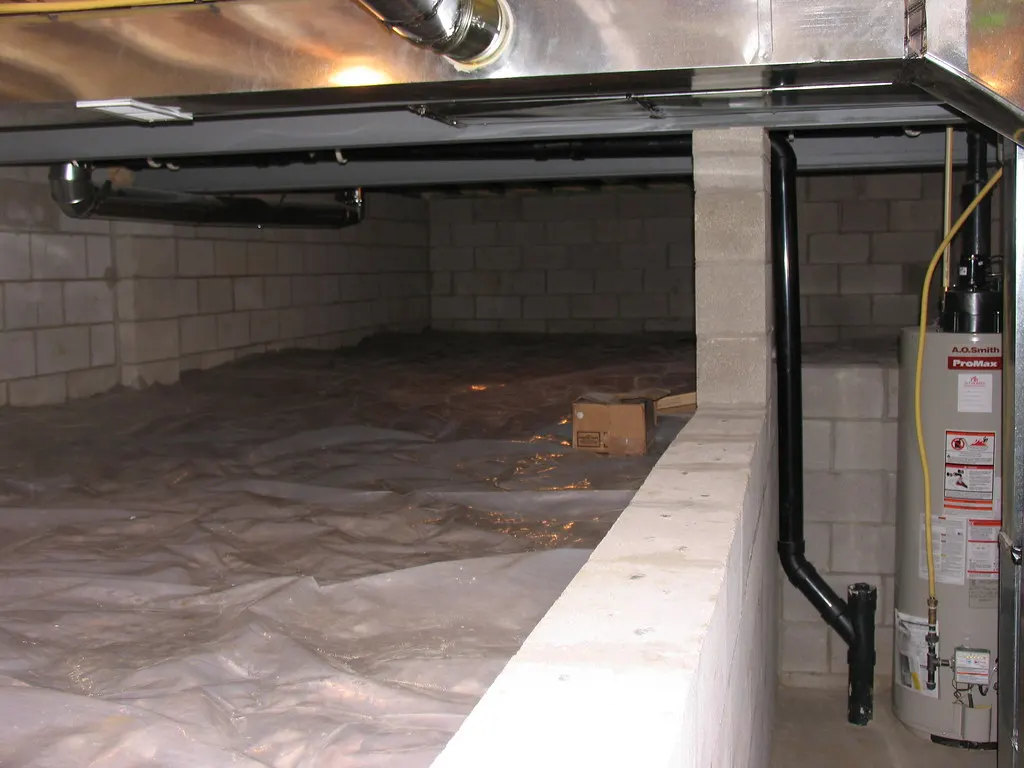
If your house has a musty smell that comes and goes with the weather, or your floors feel a little soft in one spot, the answer is often under your feet. Most homeowners never go into their crawl space, and that's fair. It's dark, it's tight, and there's usually a spider or two. But that space is part of your house, and the air down there drifts up into the rooms you live in.
Statesville Crawl Space Pros helps homeowners in Statesville and the surrounding part of Iredell County get crawl space problems looked at and fixed. It starts with a free inspection, where a local pro tells you what they see and gives you a written quote. If the crawl space is fine, a good contractor will tell you that too.
Why crawl spaces in Statesville get wet
- EncapsulationSeal the crawl space and keep it dry year-round
- Vapor barriersStop ground moisture at the source
- DehumidifiersHold humidity down through Iredell summers
- Mold removalTreat the joists, then fix the moisture
- Drainage & sump pumpsGet standing water out and keep it out
- Floor joist repairSagging, bouncy or soft floors fixed from below
- Foundation repairCracked or bowing block walls and sinking piers
- WaterproofingKeep water from coming through the walls
- InsulationWarmer floors and the right insulation for your space
- Subfloor & rot repairSoft spots, rotted sills and termite damage
- CleanoutsClear out junk, old plastic and pest mess
- InspectionsA free look under the house, with photos
Statesville sits where I-40 and I-77 cross, in the middle of the Piedmont. That location brings two things that matter for a crawl space: long, hot, humid summers and red clay soil.
Red clay holds water. After a summer storm, the ground around your foundation can stay wet for days. That moisture moves into the crawl space as vapor, through the dirt floor and the block walls. Meanwhile, the outside air in July and August is warm and heavy with humidity.
Here's the part most people don't expect. Many older homes around Statesville, including plenty near the historic downtown, were built on vented crawl spaces. The thinking at the time was that vents would let the space breathe and dry out. In our climate it often works the other way. Hot, humid summer air comes in through the vents, hits the cooler wood and ductwork under the house, and condenses, just like water beading on a cold glass of tea on the porch.
That condensation is why so many people find wet insulation hanging down between the joists, or ductwork wrapped in damp, sagging insulation. The water didn't leak in from anywhere. It came out of the air. Opening more vents or adding a fan usually brings in more of the same humid air, which is why those quick fixes tend to disappoint.
Newer subdivisions aren't immune either. A thin plastic sheet on the ground, a downspout that dumps right at the foundation, or a lot that slopes toward the house can all keep a newer crawl space damp.
Signs your crawl space needs attention
- A musty or earthy smell inside the house, especially in summer
- White or dark fuzzy growth on floor joists or the subfloor
- Ductwork or pipes that drip or "sweat" in warm weather
- Floors that sag, bounce, or feel soft
- Standing water or mud after heavy rain
- Wood that looks dark, crumbly, or stays damp to the touch
- More bugs, crickets, or rodents than you'd like
- Summer power bills that seem high for the size of the house
One sign on its own doesn't mean a big project. Several together usually mean moisture is the common thread.
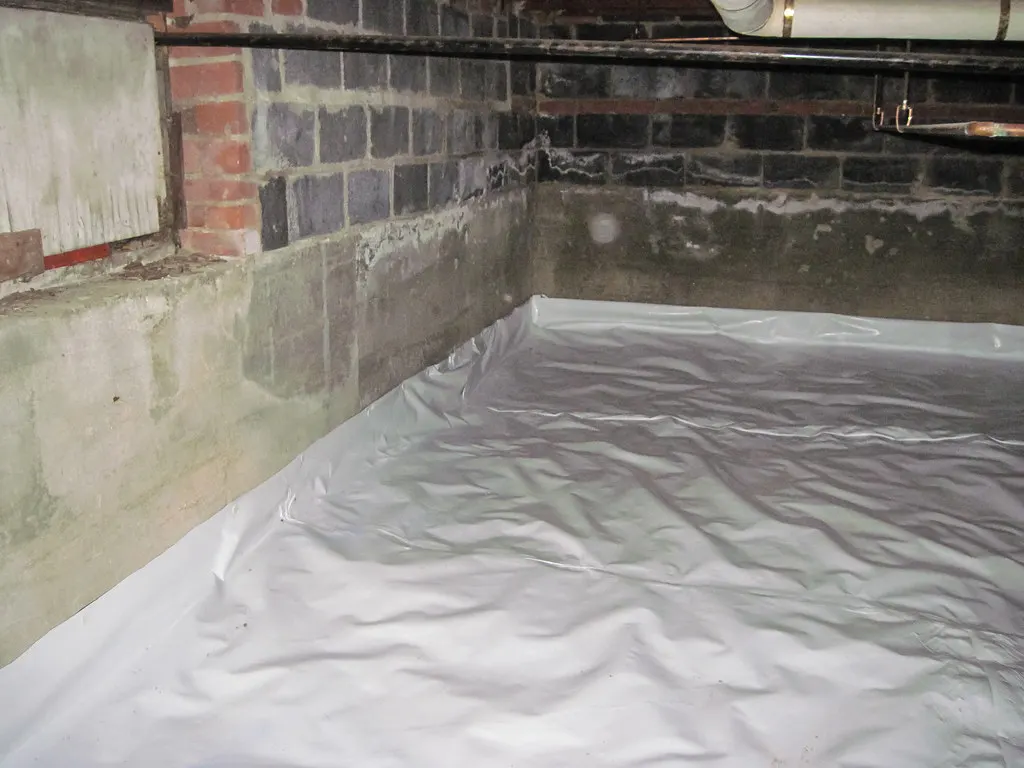
Crawl space services
Every crawl space is different, and a good contractor only recommends what your house actually needs. Here are the services available:
- Crawl space encapsulation: seal the floor, walls, and vents so the space stays dry year round.
- Vapor barrier installation: a heavy ground liner that stops moisture coming up from the soil.
- Crawl space dehumidifiers: a purpose-built unit that holds humidity at a safe level.
- Crawl space mold removal: treat and clean mold on joists and subfloor, then fix what caused it.
- Crawl space drainage: sump pumps, interior drains, and gutter or grading fixes to move water away.
- Floor joist repair: support jacks, sistered joists, and rot repair for sagging or soft floors.
Wondering what sets the price? The crawl space encapsulation cost guide explains what makes a job bigger or smaller.
How it works
It's meant to be simple and low pressure.
- You call or send a request. Tell us what you're noticing. A smell, a soft floor, water after storms. Call (980) 391-6539 or use the free quote form.
- Free inspection. A crew member goes into the crawl space and looks at moisture levels, the condition of the wood, insulation, ductwork, the ground cover, drainage, and the outside of the foundation. They take photos so you can see what they saw.
- Plain explanation. The inspector walks you through the photos and explains what's causing the problem. Usually it's a combination of things, not one.
- Written quote. You get a written quote that lists the work, the materials, and the price. No vague line items. If there are options, like a vapor barrier now and full encapsulation later, they should be laid out side by side.
- The work. Most jobs take one to three days. Bigger encapsulation jobs with drainage or structural work can take longer. The contractor should tell you up front.
- Walk-through. When the job is done, the crew shows you the finished crawl space with photos and explains anything you should keep an eye on, like a dehumidifier filter or a sump pump.
Why it matters, and what waiting costs
A damp crawl space rarely turns into an emergency overnight. That's why it's easy to put off. But moisture works slowly, and slow problems add up.
Wood rot. Floor joists and subfloor that stay damp for years start to soften. Once rot sets in, it usually means replacing or reinforcing wood, which costs more than keeping it dry in the first place.
Mold. Mold needs moisture and something to eat. Wood framing in a humid crawl space gives it both. Treating it without fixing the moisture just means it comes back.
Air quality and smell. Air rises in a house. Some of the air you breathe on the first floor started in the crawl space. That's where the musty smell comes from.
Energy bills. Damp air is harder to cool. Sweating ductwork loses efficiency, and wet insulation stops working. A drier crawl space often helps your HVAC system work less in the summer.
Pests. Termites, carpenter ants, crickets, and rodents like damp, dark spaces. Drying the space out makes it far less inviting.
None of that is meant to scare you. It's just how wood and water behave. The good news is that most crawl space problems are very fixable, and catching them early keeps the job smaller.
What a good contractor won't do
- Tell you that you need full encapsulation if a vapor barrier and a gutter fix will do the job.
- Treat mold and walk away without addressing the moisture behind it.
- Hand you a quote with a single number and no explanation.
- Pressure you to sign the day of the inspection. Take the quote, think about it, and get other quotes if you want.
Areas we serve
This site covers Statesville and nearby communities, including Troutman, Harmony, Olin, Turnersburg, Stony Point, Cool Spring, and Mooresville. If you're somewhere else in Iredell County and not sure if your address is covered, just call and ask.
Statesville is the Iredell County seat, home to Mitchell Community College and Fort Dobbs State Historic Site, and it has a wide mix of homes. Older houses on vented crawl spaces, and newer subdivisions built in the last few decades. The building science is the same in all of them. Keep water out, keep humidity down, and keep the wood sound.
Getting started
If something under your house has been bugging you, the first step costs nothing. Call (980) 391-6539 or request a free inspection. We'll get you set up with a time for a local pro to take a look and tell you what they find in plain words. Then you decide what to do.
Questions people ask
How much does crawl space encapsulation cost in Statesville?
It depends on the crawl space. Size, height, how much water is coming in, and whether you need drainage or a dehumidifier all move the price, so nobody should quote it sight unseen. You get a real price from a free on-site inspection and a written quote. See the cost guide for more detail.
Is the crawl space inspection really free?
Yes. A local pro goes into the crawl space, takes photos, explains what they see, and gives you a written quote. There's no charge and no obligation to book anything.
Do I need full encapsulation, or will a vapor barrier be enough?
It depends on how much moisture you have and where it's coming from. Some crawl spaces only need a good ground liner and a downspout fix. Others with humid air coming through vents, sweating ducts, or mold need the full system. The inspector should show you what they found and explain the options so you can choose.
Should I close my crawl space vents?
Closing vents alone, without sealing the ground and controlling humidity, can trap moisture. In an encapsulation, vents are sealed as part of a complete system that includes a liner and usually a dehumidifier. That combination is what keeps the space dry in our humid summers.
How long does crawl space work take?
Most jobs take one to three days. A large encapsulation with drainage, mold treatment, or joist repair can take longer. The written quote should include a time estimate, and you can stay in your home the whole time.
Will fixing my crawl space get rid of the musty smell?
In most homes, yes. The smell usually comes from damp soil, wood, or mold below the house, and that air drifts upstairs. Once the crawl space is dry and any mold is treated, the smell typically fades within a few weeks.